Was ist der Zweck des Nehmerzylinders?
Aug 31, 2026
Was ist der Zweck des Nehmerzylinders?
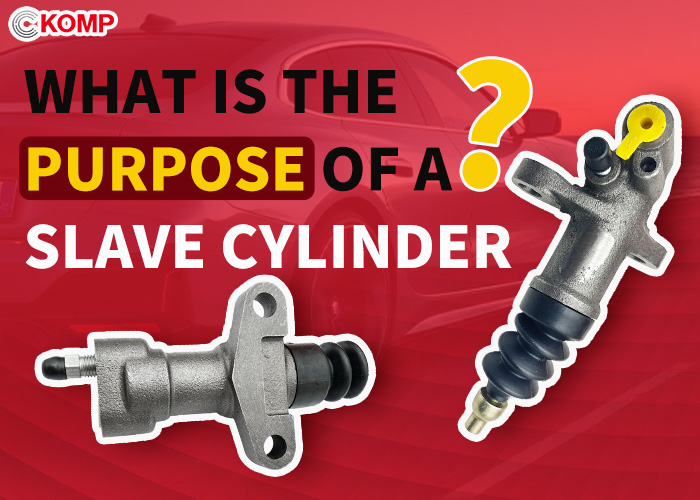
Ein Nehmerzylinder ist eine zentrale hydraulische Komponente für Kfz-Kupplungs- und Bremssysteme, die für einen sicheren und reibungslosen Fahrzeugbetrieb unerlässlich ist. Während der Geberzylinder hydraulischen Druck erzeugt,hydraulische Kupplungsnehmerzylinder fungieren als ausführende Teile des Systems, um mechanische Bewegungen zu übertragen. Für Käufer im Aftermarket und Autowerkstätten stellt die Zusammenarbeit mit professionellen Nehmerzylinder-Herstellern und einer qualifiziertenKupplungsnehmerzylinder-Fabrik in China eine stabile Qualität und kostengünstige Ersatzteile sicher. Dieser Artikel erläutert die Kernfunktion, das Funktionsprinzip, häufige Fehler und Wartungstipps für Kfz-Nehmerzylinder.
Hauptzweck eines Nehmerzylinders
Der Hauptzweck eines Nehmerzylinders besteht darin, hydraulischen Druck vom Geberzylinder zu empfangen und hydraulische Kraft in mechanische Kraft umzuwandeln. Diese einfache, aber entscheidende Aktion aktiviert die Kupplungs- oder Bremsbaugruppe. Insbesondere steuern hydraulische Kupplungsnehmerzylinder die Kupplungstrennung und -einrückung, was sich direkt auf die Leichtgängigkeit des Schaltvorgangs auswirkt. Ohne einen funktionierenden Nehmerzylinder kann das Hydrauliksystem die Kraft nicht normal übertragen, was zu Schaltproblemen und potenziellen Fahrrisiken führt. Zuverlässige Produkte von professionellenNehmerzylinder-Herstellern zeichnen sich durch hervorragende Druckbeständigkeit und Dichtungsleistung aus und lösen häufige Leckage- und Ausfallprobleme. Als eine der wichtigsten Versorgungsbasen bietet eine standardmäßige Kupplungsnehmerzylinder-Fabrik in China universelle und maßgeschneiderte Modelle für den weltweiten Aftermarket-Bedarf.
Funktionsprinzip
Nehmerzylinder arbeiten in einem geschlossenen Hydraulikkreislauf, der mit dem Geberzylinder gekoppelt ist. Wenn Fahrer das Kupplungs- oder Bremspedal betätigen, komprimiert der Geberzylinder die Hydraulikflüssigkeit, um Druck aufzubauen. Die Hochdruckflüssigkeit fließt in den Nehmerzylinder und drückt den internen Kolben und die Schubstange nach außen, um die Kupplungsausrückgabel oder die Bremsbacken anzutreiben. Nachdem das Pedal losgelassen wurde, verschwindet der Druck und der Kolben setzt sich automatisch zurück, wodurch ein vollständiger Arbeitszyklus abgeschlossen wird. Eine hochpräzise Fertigung stellt sicher, dass hydraulische Kupplungsnehmerzylinder sensibel und stabil ohne Druckverzögerung arbeiten.
Haupttypen
Es gibt zwei Haupttypen von Kfz-Nehmerzylindern. Der Kupplungsnehmerzylinder, der am Getriebe montiert ist, ist ausschließlich für Fahrzeuge mit Schaltgetriebe bestimmt, um reibungslose Gangwechsel zu ermöglichen. Der Radbremszylinder, auch Radzylinder genannt, ist in Trommelbremsen eingebaut, um die Bremsbacken zu drücken und Bremsreibung zu erzeugen. Beide Typen sind Verschleißteile, die regelmäßig überprüft und rechtzeitig ausgetauscht werden müssen.
Häufige Fehlersymptome
Ein defekter Nehmerzylinder zeigt deutliche Anzeichen, darunter ein schwammiges Kupplungs- oder Bremspedal, langsames Zurückfedern des Pedals, sinkende Hydraulikflüssigkeitsstände, Getriebegeräusche und schwache Bremswirkung. Die meisten Ausfälle werden durch alternde Dichtungen, internen Verschleiß oder minderwertige Fertigungsqualität verursacht. Die Wahl von Produkten formeller Nehmerzylinder-Hersteller reduziert die Ausfallraten effektiv und verlängert die Lebensdauer.
Wartungstipps & Fazit
Um Nehmerzylinder zu schützen, sollten Sie regelmäßig die Flüssigkeitsstände überprüfen, verunreinigte Hydraulikflüssigkeit austauschen, die Teile sauber halten und nach dem Austausch entlüften. Zusammenfassend lässt sich sagen, dass hydraulische Kupplungsnehmerzylinder für hydraulische Fahrzeugsysteme von entscheidender Bedeutung sind. Die Beschaffung bei einer vertrauenswürdigen Kupplungsnehmerzylinder-Fabrik in China und zuverlässigen Nehmerzylinder-Herstellern garantiert langlebige und leistungsstarke Ersatzteile für Anwender im weltweiten Kfz-Aftermarket.